Recycling and Sustainability for Gardening Putney
At Gardening Putney we champion an eco-friendly waste disposal area and a truly sustainable rubbish gardening area to support gardeners, allotments and neighbourhood green spaces across Putney. Our approach blends local waste stream knowledge with practical waste reduction, reuse and recycling priorities. We aim to make Putney and surrounding boroughs a model of low-carbon, circular gardening where green materials are turned back into soil-building resources rather than lost to landfill.Ambitious recycling percentage target
Our target is to achieve a 70% recycling and reuse rate for garden and associated household organics by 2030. This recycling percentage target covers separated green waste, composting returns, wood and plant material reuse, and diversion of suitable items to partner charities. Gardening Putney monitors progress monthly and reports through community sustainability updates to measure reductions in residual waste and associated carbon emissions. We work closely with boroughs' approach to waste separation, aligning with local schemes that typically separate collections into food/organic, garden/green, dry recycling and residual waste. Where councils provide kerbside garden collections we complement them with targeted drop-off days and dedicated consolidation points at local Household Waste Recycling Centres (HWRCs) and transfer stations. These local transfer stations act as logistic hubs, reducing haulage distances and accelerating the move to a circular garden materials economy.
Charity partnerships and material reuse
Gardening Putney has formed partnerships with a range of reuse charities and community organisations. These include textile and tool reuse groups, community composting projects, and local social enterprises that accept plant pots, edging, and surplus topsoil. Our collaboration network ensures that items diverted from the waste stream are refurbished or repurposed for community gardens, youth projects and urban greening schemes.
Low-carbon collection fleet and consolidation
To keep our environmental footprint low we operate a fleet of low-carbon vans and electric cargo bikes for short runs within Putney and neighbouring streets. Vehicles are scheduled to use consolidation hubs near transfer stations to minimise empty running and idling. This low-emission transport strategy reduces overall emissions compared with traditional garden clearance services and supports borough-level climate commitments.Our sustainable rubbish gardening area also encourages repair and reuse. Small structural timber, pallet wood and plant containers are sorted onsite and listed for redistribution. We use clear signage and trained staff to separate material into re-employable streams and composting feedstocks, and we coordinate with local social enterprises for upcycling opportunities.
Residents and community gardeners benefit from practical separation guidance aligned with local council schemes: dry recycling for clean plastics and metals, organics for food and garden material, and residual waste for non-recyclables. We operate safe drop-off points and timed collections so that garden debris is processed quickly. The result is a robust closed-loop system where green waste becomes compost, wood becomes mulch or reclaimed material, and useful items are passed to charities instead of being incinerated.
 Our operational plan includes:
- Regular green waste consolidation at transfer hubs and HWRC-compatible sites;
- Charity redistribution partnerships for tools, pots and usable timber;
- Low-carbon logistics using electric vans and cargo bikes for local collections.
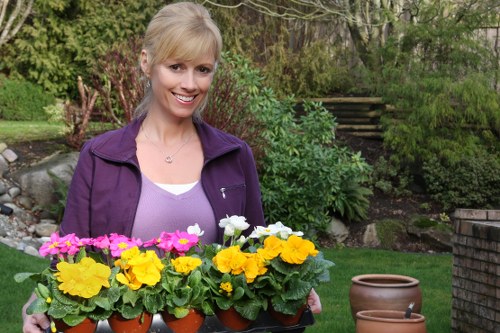 At the heart of Putney gardening sustainability is community participation. We provide clear seasonal messaging about what belongs in green collections, coordinate with borough waste calendars, and maintain transparent reporting on our recycling percentage target. The combined actions of households, allotment holders and community groups help reduce carbon from transportation and processing, increasing soil health through returned organic matter and drastically cutting contamination in recycling streams.
Our multi-stakeholder partnerships are key. By linking gardeners with local charities, material reuse networks and council recycling teams we create resilience in the local circular economy. Examples include collaboration with community compost hubs, tool libraries, and neighbourhood projects that accept reclaimed materials. These connections turn gardening waste from a problem into a resource and expand the impact of Gardening Putney beyond borders.
We measure success in tonnes diverted, compost produced and emissions avoided. Meeting our 70% recycling percentage target requires consistent collection practices, efficient transfer stations and continued investment in low-carbon vans and cargo cycles. As borough policies evolve for waste separation and processing, Gardening Putney will adapt operations to maximise reuse, composting and local redistribution opportunities.