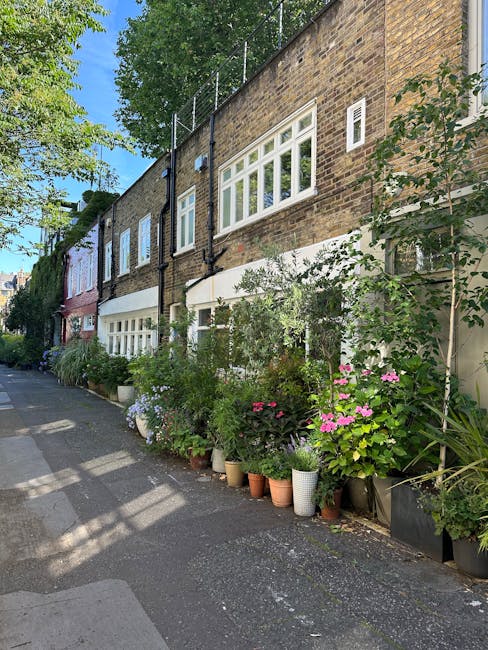
Upper Richmond Road gardeners tailored care for townhouse gardens

If you live off Upper Richmond Road, you already know townhouse gardens can be wonderfully useful and, honestly, a bit awkward too. They're often narrow, shaded, overlooked, paved in places, and asked to do a lot: somewhere for a morning coffee, a patch for planting, a place to dry laundry, and maybe a quiet corner that still feels green. That is exactly where Upper Richmond Road gardeners tailored care for townhouse gardens makes a difference. The right approach is not about forcing a "big garden" routine into a compact space. It's about reading the garden properly, working with the light, and giving each square metre a job.
This guide explains how tailored townhouse garden care works, why it matters, and what to look for if you want a garden that stays tidy, healthy, and genuinely pleasant to use. If you are comparing services, you may also find it useful to browse the wider garden services overview and the ongoing garden maintenance support available for regular upkeep.
Key takeaway: townhouse gardens need structure, consistency, and a lighter touch than larger plots. Small spaces show neglect quickly, but they also respond quickly to proper care. That's the good news.
You do not need a sprawling lawn to have a lovely outdoor space. You need the right pruning, the right planting choices, sensible access planning, and maintenance that suits how the garden is actually used. Let's get into it.
Why Upper Richmond Road gardeners tailored care for townhouse gardens Matters
Townhouse gardens along and around Upper Richmond Road often share a few familiar features: narrow footprints, boundary walls, limited turning space, and light that changes a lot through the day. Some are tucked behind terraced homes with a long run of paving; others are split into small pockets with raised beds, screening, and awkward corners. Standard "cut everything, tidy everything" gardening can miss the point entirely.
Tailored care matters because small gardens amplify every decision. A hedge left for too long can make the space feel smaller. A lawn cut too short can brown off in patchy shade. One badly placed shrub can dominate the whole border. Conversely, a well-chosen climber, a clean edge, or a weekly tidy can transform how the garden feels at the back door.
There is also the practical side. Townhouse gardens are often used more intensively than bigger suburban plots. People see them from the kitchen, the living room, and the bedroom windows. You notice the details. The smell of damp soil after rain. The line of moss along a paving edge. The one wobbly plant pot that has somehow become permanent. Tailored care keeps those details under control.
And there is the local rhythm too. In a busy London setting, access, noise, waste removal, and timing all matter. A gardener who understands townhouse conditions is more likely to work tidily, plan around neighbours, and keep disruption sensible. That is not glamorous, but it really counts.
How Upper Richmond Road gardeners tailored care for townhouse gardens Works
Good townhouse garden care usually starts with observation, not tools. Before any pruning or mowing, a gardener should assess the layout, the light, the planting, the surface materials, drainage, and how the space is used. A terrace garden behind a busy family home needs a different plan from a small formal courtyard outside a quiet flat, even if both are roughly the same size.
The work then tends to be broken into practical layers:
1. Site assessment
This is the "what do we actually have here?" stage. It covers sunlight, shade, wind exposure, privacy, soil condition, water flow, and the condition of fences, planters, paths, and planting beds. In compact gardens, a small drainage issue can create soggy patches or algae on paving surprisingly fast.
2. Priority setting
Not everything needs doing at once. A tailored visit will usually separate essentials from nice-to-haves. For example, the lawn may need mowing, but the bigger win could be lifting a crowded shrub line and rebalancing the border so the whole garden breathes again.
3. Structured maintenance
This is where routine comes in. Depending on the garden, that may include lawn mowing, hedge trimming, border tidying, deadheading, weed control, light pruning, and seasonal clear-downs. If the space has become cluttered after a busy few months, a more substantial reset may be needed. In those cases, garden clearance can be the quickest way to get back to a workable base.
4. Planting and shaping
Townhouse gardens benefit from planting that looks good up close. Think layered texture, evergreen structure, and seasonal highlights rather than a lot of fussy, high-maintenance specimens. The aim is not to cram in more plants. It is to choose the right ones and place them well.
5. Ongoing refinement
A tailored service is never really finished. A good gardener adjusts as the garden changes through spring, summer, autumn, and the darker months. One season's success can reveal the next season's problem. That is normal. Gardening always has a bit of that, doesn't it?
If you are considering more than routine upkeep, broader landscape gardening or thoughtful landscaping can help reshape the space so maintenance becomes easier rather than harder.
Key Benefits and Practical Advantages
Tailored care is not just about making the garden look tidy for a day or two. The real value is in how the space functions week after week. That is where townhouse gardens either become a pleasure or slowly turn into a source of mild irritation. Sometimes both, to be fair.
| Benefit | What it means in practice | Why it matters in a townhouse garden |
|---|---|---|
| Better use of space | Plants, surfaces, and features are arranged around how the garden is actually used | Small gardens need every section to earn its place |
| Cleaner appearance | Edges, paths, borders, and pruning are kept neat | Compact gardens look cluttered very quickly if maintenance slips |
| Healthier planting | Plants are matched to light, drainage, and exposure | Wrong plant, wrong spot is the fastest route to disappointment |
| Easier upkeep | Tasks are grouped and timed sensibly | Regular work is less stressful than big catch-up jobs |
| Improved privacy | Hedges, climbers, and screening are managed with care | Overlooked townhouse gardens often need thoughtful screening |
There is also a comfort factor people sometimes underestimate. A tidy, balanced garden makes the whole home feel calmer. You see it when the back door opens onto a neat set of borders instead of a jumble of overgrown stems and windblown pots. It changes the mood, quietly but completely.
For many households, the practical advantage is time. A well-kept townhouse garden needs less emergency intervention. Less "can you just do a quick tidy before Sunday?" and fewer jobs that have become bigger than they should have. That alone can be worth it.
Who This Is For and When It Makes Sense
Tailored care suits anyone who wants a townhouse garden to be attractive without becoming a part-time project. It is especially useful if the garden is narrow, shaded, overlooked, split across levels, or used every day rather than just occasionally.
This kind of care makes sense if:
- your garden feels too small for standard maintenance routines
- you have hedges, climbers, or screening that need precise handling
- you want a garden that looks good from inside the house as well as outside
- you have limited time for upkeep
- the planting has become crowded or unbalanced
- you need a reset after a busy season or a period of neglect
It is also a good fit for owners, landlords, and people preparing a property for sale or letting. First impressions matter. A townhouse garden that looks considered and easy to maintain can lift the whole impression of the home. Nothing fancy required. Just care, consistency, and a bit of restraint.
If you are unsure whether you need ongoing care or a one-off intervention, it helps to look at the state of the garden across two or three points in time. Has it become harder to walk through? Are the borders losing shape? Are weeds returning faster than you can deal with them? Those are usually the clues.
Step-by-Step Guidance
A sensible townhouse garden care plan usually follows a simple structure. The details vary, but the process is surprisingly straightforward once it is broken down.
- Start with a full walk-through. Note the problem areas, the best features, the areas of shade, and any safety or access issues. You want a clear picture before any cutting starts.
- Identify the garden's main purpose. Is it for entertaining, relaxing, growing plants, screening, children, pets, or all of the above? The answer changes the maintenance plan.
- Clear the clutter. Remove dead growth, broken pots, unwanted debris, and anything that blocks access. In many gardens, this alone makes a huge difference.
- Define the structure. Re-establish edges, paths, focal points, and boundary lines. A small garden needs visible order.
- Cut and shape carefully. Mow lawns where present, trim hedges, reduce awkward growth, and prune with the overall shape in mind, not just the next cut.
- Improve the planting balance. Lift, thin, replace, or relocate overcrowded plants so the garden can breathe.
- Check irrigation and drainage. Hand-watering, drip lines, and even basic water flow should be reviewed, especially in sheltered or paved gardens.
- Set a maintenance rhythm. Decide what should happen weekly, monthly, and seasonally so the garden does not swing between tidy and chaotic.
A small but useful note: if a townhouse garden has been neglected for a while, do not try to "fix everything" in one go unless you really need to. It's tempting. But heavy pruning, lawn recovery, and planting changes all at once can create more stress than clarity. A phased approach usually works better.
Expert Tips for Better Results
After years of looking at compact urban gardens, a few patterns stand out. The most successful townhouse gardens usually share one thing: they are edited, not stuffed full.
Choose structure before novelty
Evergreen shrubs, well-placed climbers, and reliable edging often do more for a townhouse garden than a bunch of random feature plants. Novelty is nice, but structure carries the garden through the year.
Respect the light
London gardens can be deceptive. A wall may create warm shelter, but it can also cast shade most of the day. Watch where the sun hits in the morning and again in late afternoon. That's the real story, not the hopeful patch near the patio.
Keep the view from indoors in mind
In townhouse settings, the garden is often experienced through windows and doors as much as from the lawn or terrace. A centred pot, a balanced shrub line, or a neat hedge can completely improve the indoor-outdoor feel.
Use repetition sparingly
One repeated plant can create calm. Too many repeated elements, oddly enough, can look rigid. The sweet spot is a consistent palette with enough variation to feel alive.
Allow for seasonal recovery
Autumn leaves, winter dieback, and spring growth spurts are all part of the cycle. Good gardening accepts that the garden will not look identical all year. It should still look intentional, though.
If the garden includes taller screening, hard pruning, or anything close to mature woody growth, it is worth bringing in specialist help rather than treating it as an afternoon job. For some properties, hedge trimming and tree lopping and removal become relevant parts of keeping light, shape, and safety under control.
Common Mistakes to Avoid
Townhouse gardens can go wrong in very ordinary ways. The fixes are usually simple, but only if you spot the problem early.
- Overplanting. It feels lush for about five minutes, then the space becomes cramped and hard to maintain.
- Cutting too hard. Some shrubs and hedges will tolerate it; others will sulk for months. Know which is which.
- Ignoring drainage. A small wet patch can become a mossy, slippery corner before you know it.
- Leaving seasonal work too long. Deadheading, leaf removal, and light pruning are easier when done regularly.
- Using one maintenance approach for the whole garden. A sunny border and a shaded patio do not need the same treatment.
- Forgetting access. Narrow side returns, steps, and confined entry points affect what work can realistically be done.
- Choosing plants for the label, not the site. The most attractive plant in the nursery is not always the right one for your conditions.
The biggest mistake, perhaps, is treating the garden like a one-time project instead of a living space. Gardens shift. Growth is sneaky. That is part of the charm and the headache.
Tools, Resources and Recommendations
You do not need an enormous toolkit for townhouse garden care, but the right tools do make a difference. At the very least, a good gardener should have reliable cutting tools, a mower suited to the lawn size if there is turf, hand tools for edging and pruning, and safe waste handling equipment.
For the homeowner, the most useful "resource" is usually a maintenance rhythm. It might be as simple as:
- weekly tidy and quick visual check
- fortnightly or monthly shaping and edging
- seasonal pruning, clearing, and planting review
That rhythm prevents the garden from becoming a rescue job. If you want to see how service support is organised, the company's pricing and quotes page is a sensible place to start before arranging work, and the about us page can help you understand the team behind the service.
One practical recommendation: keep a short notes list on your phone after each visit. Nothing fancy. Just what was cut back, what looked weak, what needs feeding, and what should be watched next month. A tiny habit, but it saves a lot of repeat explanation later. Truth be told, it also helps you avoid that awkward "what did we do last time?" moment.
Law, Compliance, Standards, or Best Practice
Garden maintenance is not usually a heavily regulated activity in the way some trades are, but there are still important standards and best practices worth taking seriously. Safe working methods, proper waste handling, and respect for neighbours all matter in townhouse settings.
In practical terms, that means a professional gardener should work carefully around access routes, use appropriate equipment, and consider hazards such as uneven paving, hidden trip points, sharp tools, and overhanging growth. If ladders or higher work are involved, the approach should be cautious and proportionate. Not every job should be done from the nearest convenient angle. Some jobs need a better plan.
Where waste is removed, it should be handled responsibly and in line with normal local expectations. Sustainability matters too. Reusing organic matter where appropriate, minimising unnecessary waste, and planning efficient visits can all reduce the environmental footprint. You can read more about that approach in the recycling and sustainability information provided by the company.
There are also basic business trust signals worth checking. Clear terms, fair payment handling, and transparent working practices are all good signs. If you want to review those, the relevant pages are available on payment and security, terms and conditions, and the company's insurance and safety information. Small details, but they matter when you are inviting someone to work around your home.
It is also sensible to understand how feedback and service issues are handled. The complaints procedure is there for exactly that reason. A decent service should be open about how it deals with concerns.
Options, Methods, or Comparison Table
Townhouse garden care can be delivered in a few different ways. The best choice depends on how much time you have, how complex the space is, and whether the garden needs routine upkeep or a more dramatic reset.
| Approach | Best for | Pros | Limitations |
|---|---|---|---|
| Basic tidy and mow | Simple gardens that only need regular upkeep | Quick, affordable, keeps things presentable | May not solve layout or planting problems |
| Seasonal maintenance visits | Gardens that change a lot through the year | Balances cost and control, good for most townhouse plots | Can still leave minor issues between visits |
| Full tailored maintenance plan | Complex or highly visible gardens | Best continuity, better long-term results, less guesswork | Needs more planning and commitment |
| Reset and rebuild | Overgrown, cluttered, or poorly structured gardens | Creates a clean base, allows better design choices | May involve more upfront work and disruption |
For many homeowners, the sweet spot is a tailored maintenance plan supported by occasional heavier work. That might include mowing, edging, hedge trimming, and a periodic clear-out, rather than a never-ending cycle of reactive fixes. If the garden has become seriously congested, a one-off reset through garden clearance can be the right first step before regular care takes over.
Case Study or Real-World Example
Picture a typical townhouse garden just off Upper Richmond Road: narrow lawn, a small paved terrace, a boundary hedge that has crept higher than expected, and a few border plants that were once neat but are now leaning into each other like commuters on the District line. Nothing disastrous, just tired.
The first visit starts with a careful walk-through. The hedge is found to be blocking too much light, the lawn is thin in the shaded section, and a couple of shrubs are overpowering the path. Rather than stripping everything out, the work focuses on restoring shape. The hedge is reduced with a lighter hand, the path edge is reopened, the border is thinned, and the lawn is cut at a healthier height.
Then the maintenance plan changes. Instead of infrequent heavy intervention, the garden gets smaller regular visits. Weeding is kept under control before it spreads. The hedge is trimmed before it swallows the light again. The lawn stays neat enough to use, even in damp weather. Not glamorous, perhaps, but the whole space feels twice as usable.
The improvement is not just visual. The homeowner stops feeling like the garden is "a job" every time the back door opens. That feeling matters. A lot.
Practical Checklist
Use this checklist to judge whether your townhouse garden is getting the right sort of care:
- Are the main features easy to see and use?
- Do the borders feel balanced rather than crowded?
- Is the lawn, if you have one, cut to a sensible height?
- Are hedges and screening kept within a manageable shape?
- Can you move through the garden without dodging overgrowth?
- Are weeds, moss, or fallen debris under control?
- Does the planting suit the light and shelter conditions?
- Is water draining away properly after rain?
- Do the window views feel calm and tidy from inside the house?
- Do you know what needs doing weekly, monthly, and seasonally?
If you answered "no" to several of those, the garden probably needs more than a quick tidy. That is not a failure. It just means the space is asking for a better system.
Conclusion
Upper Richmond Road townhouse gardens work best when they are treated as compact living spaces rather than miniature versions of a large suburban plot. They need care that is measured, thoughtful, and responsive to shade, privacy, access, and everyday use. Done well, tailored maintenance keeps the garden looking balanced and easy to enjoy without turning it into a burden.
The right gardener will notice the small things that make a big difference: the angle of the light, the way a hedge affects the room inside, the difference between a tidy border and an overworked one. That is the real value of tailored care. Not just neatness, but a garden that fits your home and your life.
If you are ready to improve a townhouse garden that has become a bit out of step, start with a clear plan and a service that understands compact urban spaces. Get a free quote today and see how much you can save.
A well-tuned garden has a way of making the whole house feel lighter. Quietly, steadily, it just lifts the place.
Frequently Asked Questions
What makes townhouse garden care different from regular garden maintenance?
Townhouse garden care focuses more on precision, access, privacy, light levels, and making the most of limited space. Regular maintenance can be broader and less site-specific. In a townhouse garden, a small change often has a big visual effect.
How often should a townhouse garden on Upper Richmond Road be maintained?
It depends on planting, shade, and how often the garden is used. Many small gardens benefit from weekly or fortnightly attention during the growing season, with seasonal work layered in as needed. The key is consistency rather than occasional heavy intervention.
Can a small townhouse garden still have a lawn?
Yes, but it needs to be realistic for the light and the use it gets. In shaded or narrow spaces, a lawn may need extra care or a different layout altogether. Sometimes a smaller turf area with stronger borders is the more practical answer.
What if my townhouse garden is very overgrown?
Then a structured reset is usually better than trying to tidy it gradually. A proper clearance, followed by pruning, shaping, and regular maintenance, can bring the space back under control. It's often easier than people expect once the first layer of growth is removed.
Are hedges and screening important in townhouse gardens?
Very much so. Many townhouse gardens face neighbouring windows or busy surroundings, so hedges and screens help create privacy and calm. They need regular trimming, though, because an untended hedge can quickly take over the space.
What are the most common problems in townhouse gardens?
Overcrowded planting, poor drainage, too much shade, moss on paving, and lack of access are common issues. Another one is simply a garden that has too many competing features. Small spaces work best when they are edited carefully.
Is garden clearance necessary before regular maintenance starts?
Not always, but it is often useful if the garden is cluttered, overgrown, or difficult to access. Clearance gives you a clean base to work from, which makes future maintenance easier and more effective.
How do I know whether I need landscaping rather than maintenance?
If the garden has a layout problem rather than just a care problem, landscaping may be the better option. For example, if paths, beds, and seating areas are in awkward places, maintenance alone will not fix that. You may need a smarter design first.
What should I ask before hiring a gardener for a townhouse garden?
Ask how they handle compact spaces, whether they can manage hedges, lawns, and clearance work, and how they plan maintenance across the seasons. It also helps to ask about insurance, safety, and how they handle waste and access. Those details matter more than people think.
Do townhouse gardens need different plant choices?
Usually, yes. Plants need to suit the amount of light, the degree of shelter, and the size of the space. Many townhouse gardens do better with structured, low-fuss planting that looks good in close quarters and does not require constant intervention.
How can I keep a townhouse garden looking good between visits?
Focus on small habits: keep pathways clear, remove fallen leaves, deadhead where needed, and avoid letting pots and tools pile up. A few minutes of attention each week can prevent the garden from slipping into chaos. Small steps, honestly, go a long way.
Is there a good time of year to begin a tailored care plan?
Spring and early autumn are often practical starting points because they allow planting, pruning, and structural changes to settle in. That said, a reset can begin at any time if the garden needs attention. It is better to start than to wait for the "perfect" month that never really arrives.